
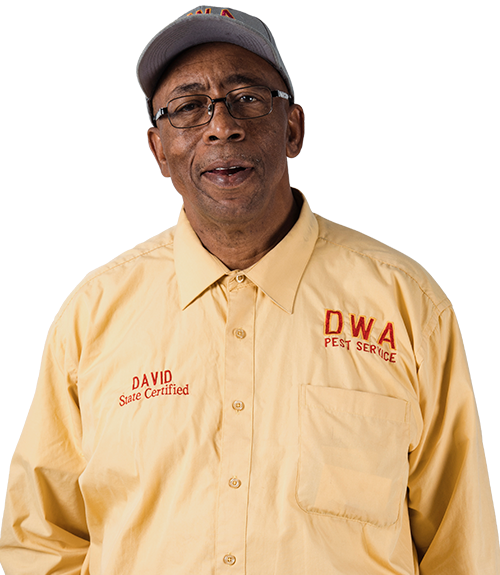
I completed the STRIVE® program and CFUF helped me find employment upon graduating. After working for a pest control company for a few years, I decided to open up my own business.
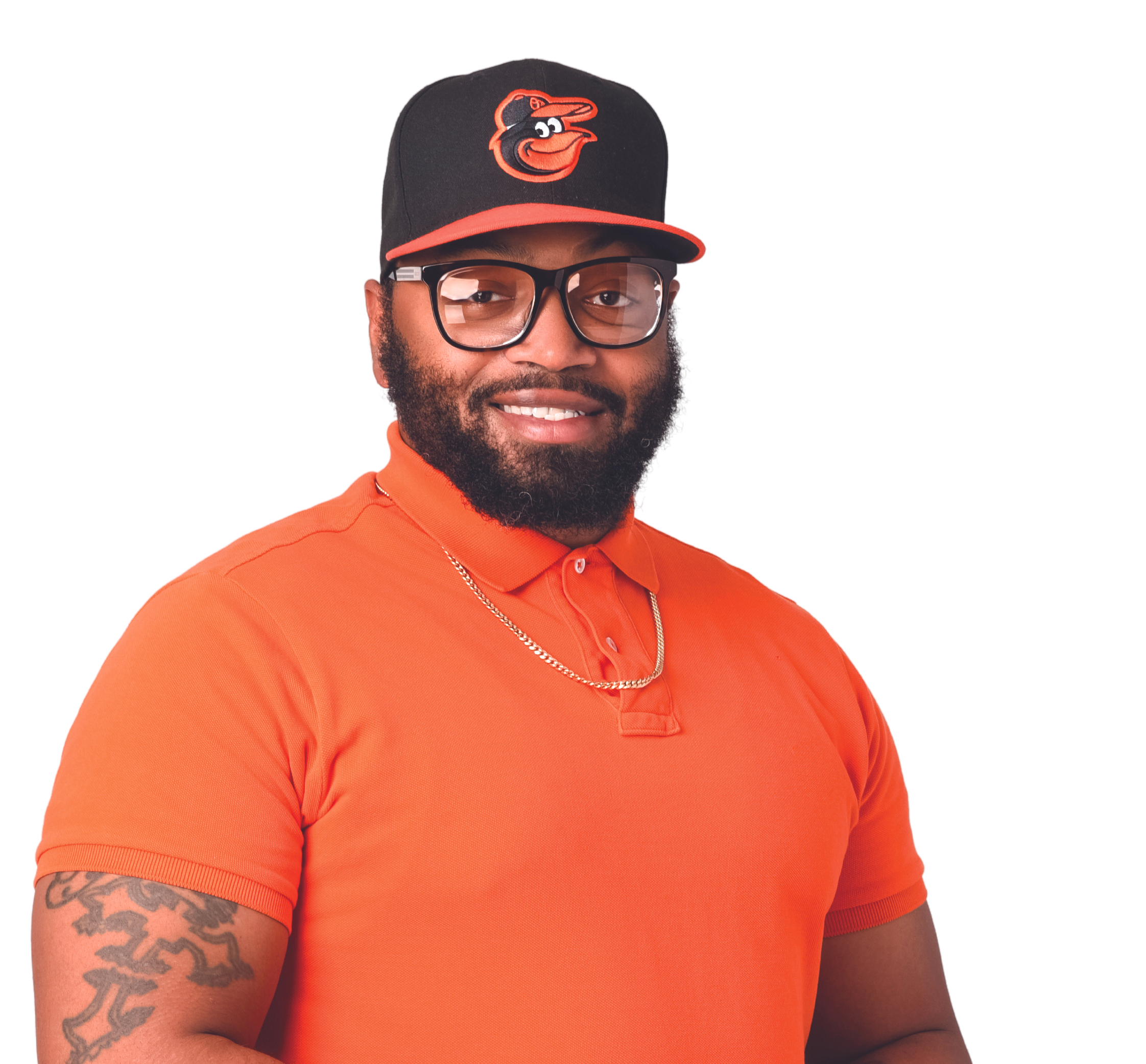
If you’re ready to believe in yourself, the Center for Urban Families can help you step into your purpose.

With multiple wraparound services like the dedicated staff, practical support like access to vehicles and tools to build intergenerational wealth, CFUF is not a typical nonprofit.
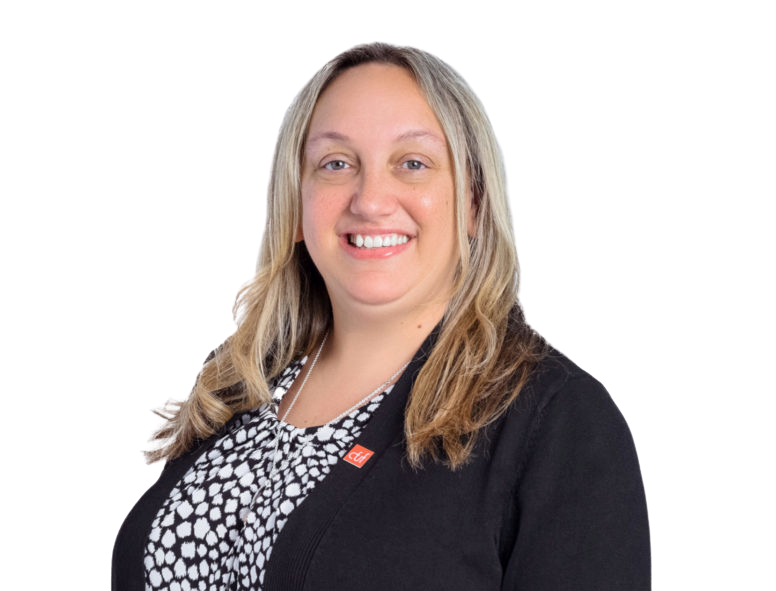
When you are happy to come to work and you’re changing lives, seeing the differences your work makes, it really motivates you to keep trying to better yourself and your work.
You have to look adversity straight in the face and deal with it.
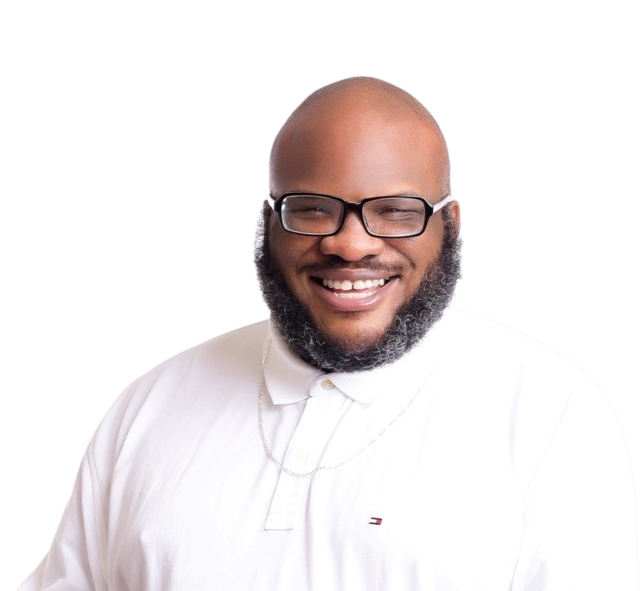
I am a strong believer that knowledge is power.
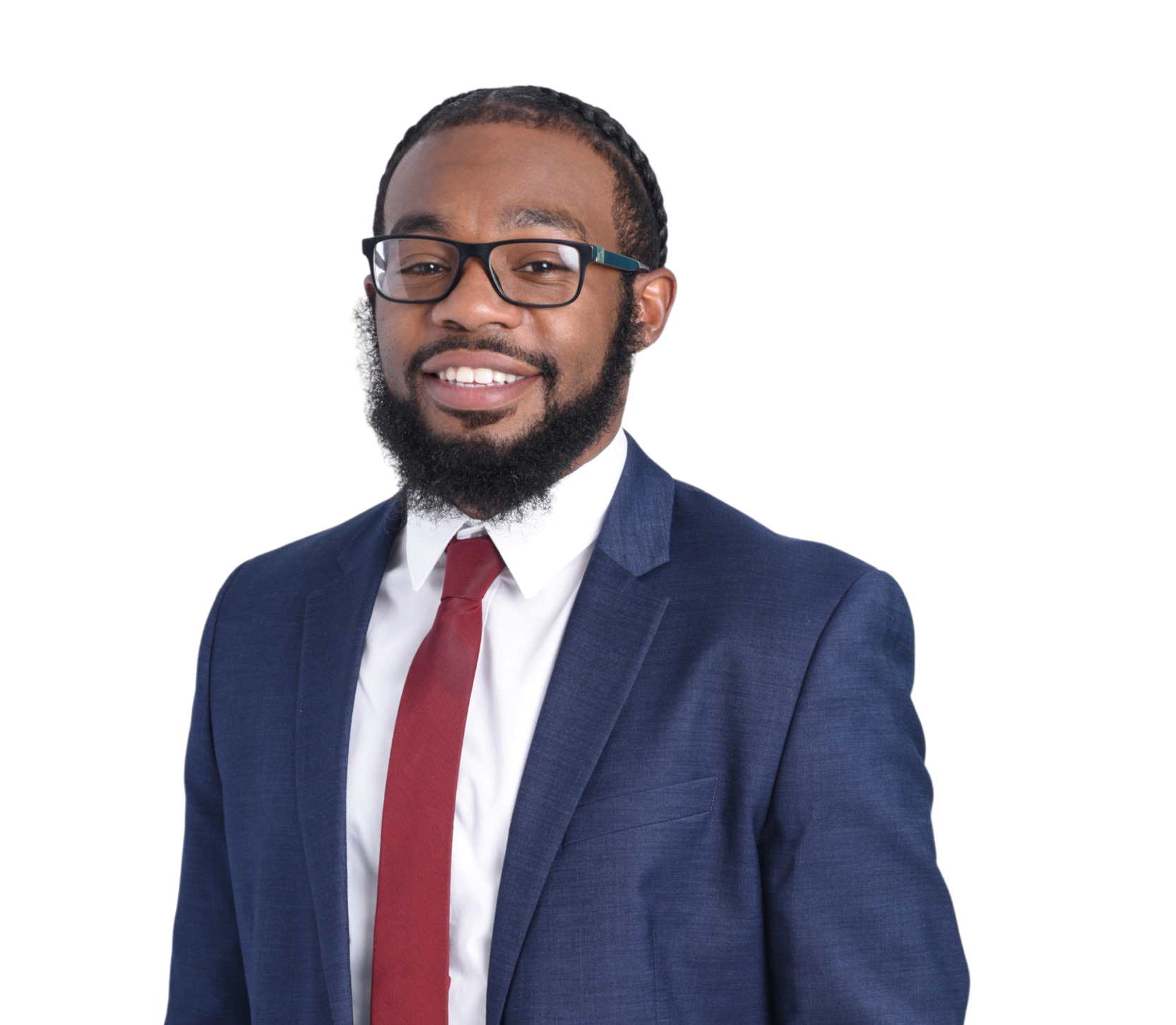
OUR GOAL IS TO
DISMANTLE POVERTY
TRANSFORMING FAMILIES AND COMMUNITIES
The Center for Urban Families is a non-profit working to empower individuals and families in Baltimore, Maryland, with the skills they need for long-term personal and economic success. Through a holistic, person-centered approach, we help our members discover and reach their full potential. We believe that every person matters, no matter who they are or where they come from, and that it is never too late for a second chance.
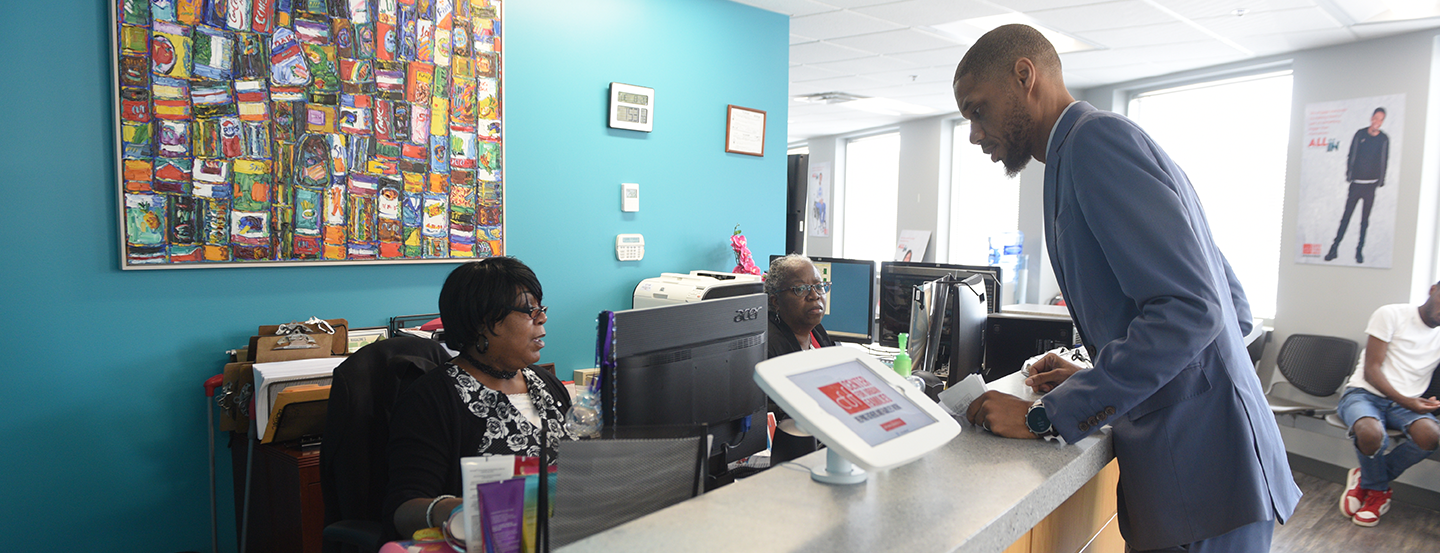
OUR PROGRAMS
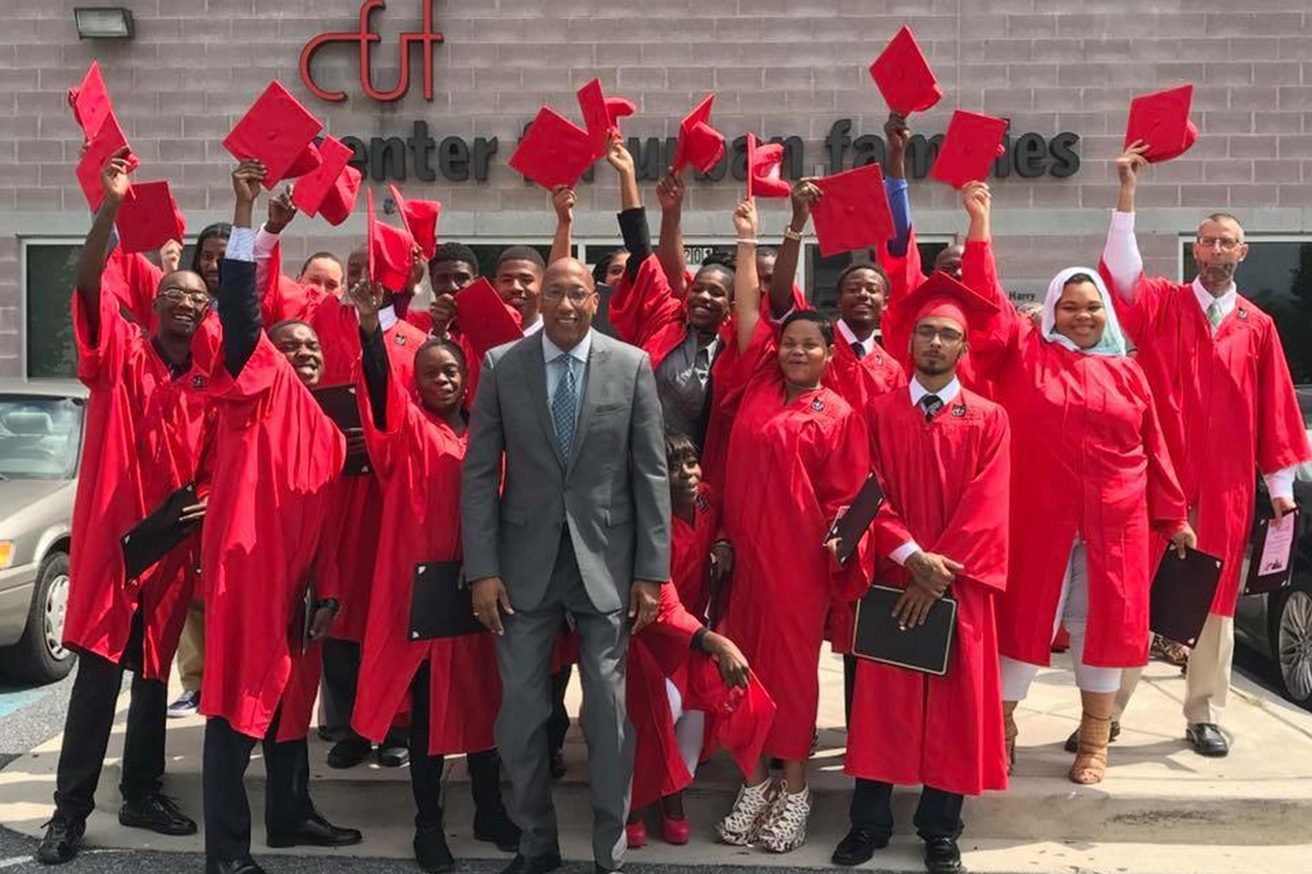
STRIVE® BALTIMORE
An intensive 3-week workshop that combines tangible skills, such as resume writing and interviewing, with attitudinal training that prepares individuals to obtain and retain employment.
BACK TO BUSINESS
A 3-day job readiness training that focuses on refreshing the soft skills and job search skills of individuals with prior work experience who are seeking employment.
BALTIMORE RESPONSIBLE FATHERHOOD SERVICES
A 3-week training integrated into STRIVE® Baltimore and other CFUF initiatives that utilizes CFUF’s Developing All Dads for Manhood and Parenting (DADMAP) curriculum to assist non-custodial fathers, with low incomes, to increase and build their fatherhood knowledge and skills.
Baltimore BOOST (Boosting Opportunities for Social and Economic Mobility for Families)
A partnership between CFUF and the Baltimore City Community College (BCCC) that provides individuals, with low incomes, access to work and life skills training, BCCC job training certification programs, job placement and retention support, and other supportive services to accelerate social and economic mobility.
PRACTITIONERS LEADERSHIP INSTITUTE
A national program focused on building capacity for practitioners by improving outcomes for low income fathers and families.
25 YEARS OF SEEDING LEGACIES FOR THE FUTURE

32,750
Men and women's lives transformed

71,707
Children's lives touched

5,496
Full-time jobs secured

$16.30
Average hourly wage for members

15.00
Average hourly wage in transportation

$16.45
Average hourly wage in manufacturing